Blog
Minimalist Japanese-inspired furniture
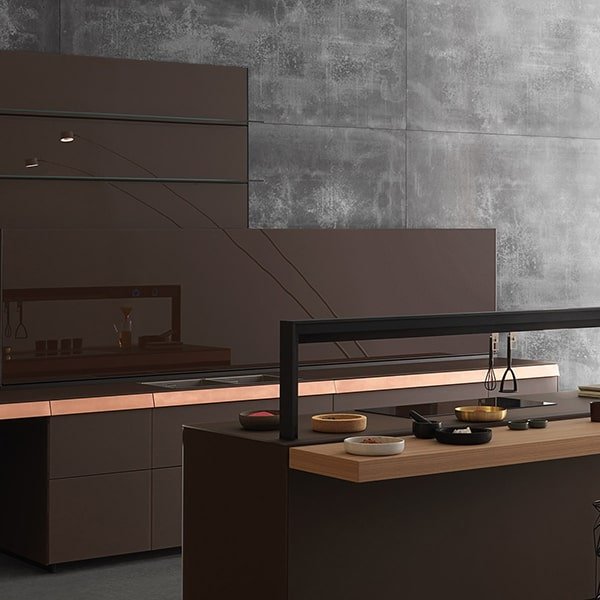
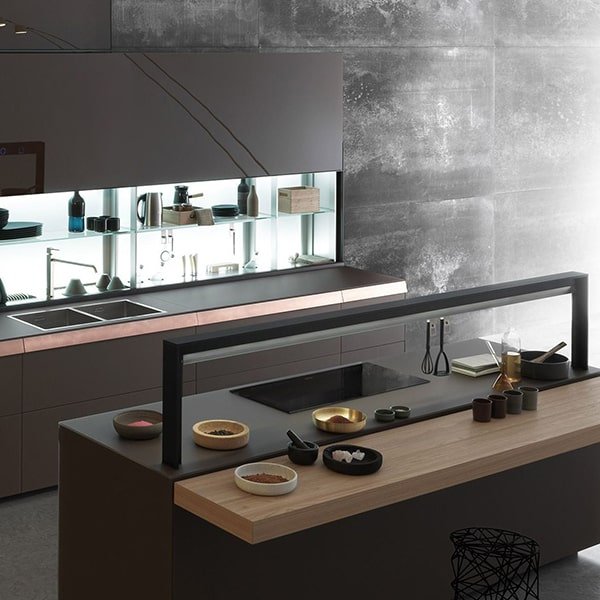
In the world of interior design, few styles embody harmony, simplicity, and timeless elegance as beautifully as Japanese-inspired furniture. Rooted in centuries of tradition, yet adaptable to modern living, this style offers a minimalist approach that creates calm, uncluttered, and purposeful spaces.
5. Eva Solo: Danish Furnishing Accessories
The Essence of Japanese Minimalism
Japanese furniture design is guided by Zen principles of simplicity and balance. Each piece serves a clear function, without unnecessary embellishments. This approach not only enhances visual appeal but also fosters peace of mind, encouraging us to live with less and appreciate more.
Natural Materials at the Core
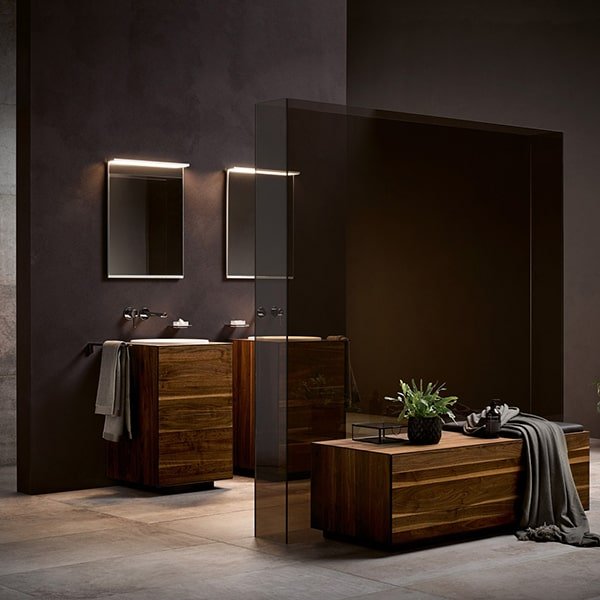
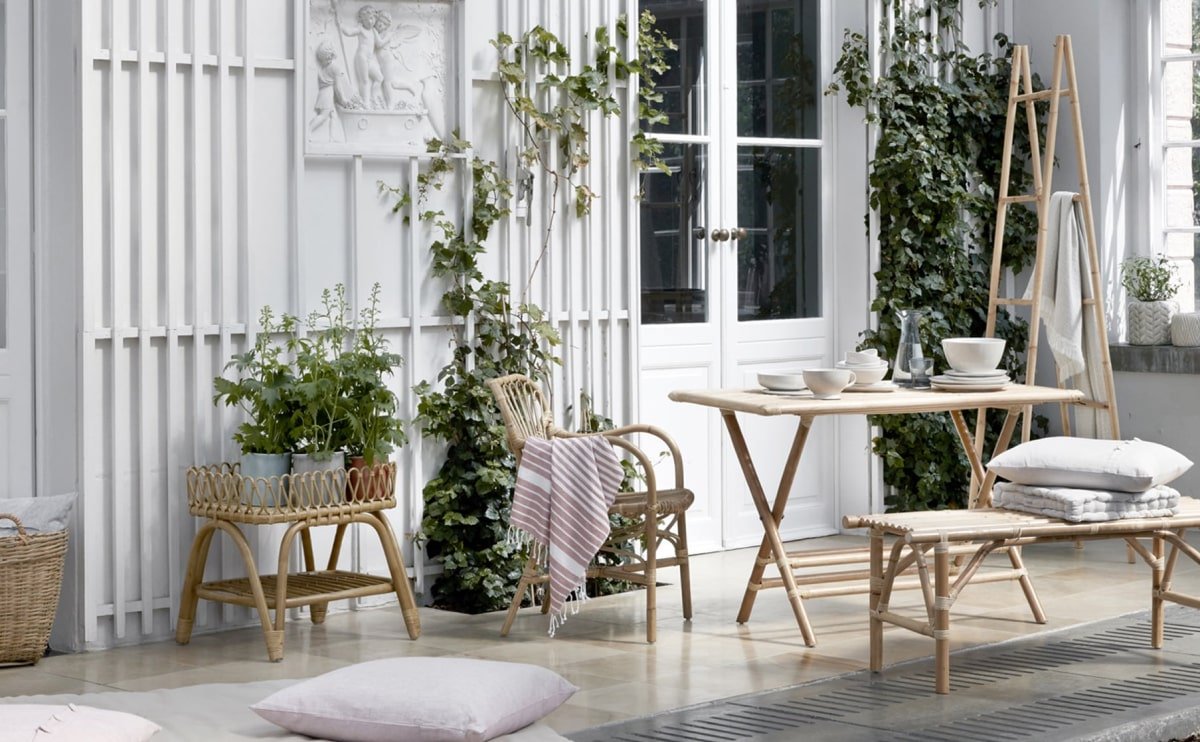
Wood, bamboo, rice paper, and natural fabrics form the foundation of Japanese-inspired furniture. These materials bring warmth, texture, and a sense of connection to nature, which is central to Japanese design philosophy. Their organic quality ensures durability while maintaining an understated elegance.
Low Furniture and Floor Living
Traditional Japanese homes emphasize floor living. Low tables, futons, and tatami mats create a closer connection to the earth and an atmosphere of groundedness. Modern adaptations retain this feature, with low-profile beds and seating that maintain comfort while preserving the minimalist aesthetic.
4. Magisso Finnish Design Movement
Clean Lines and Subtle Details
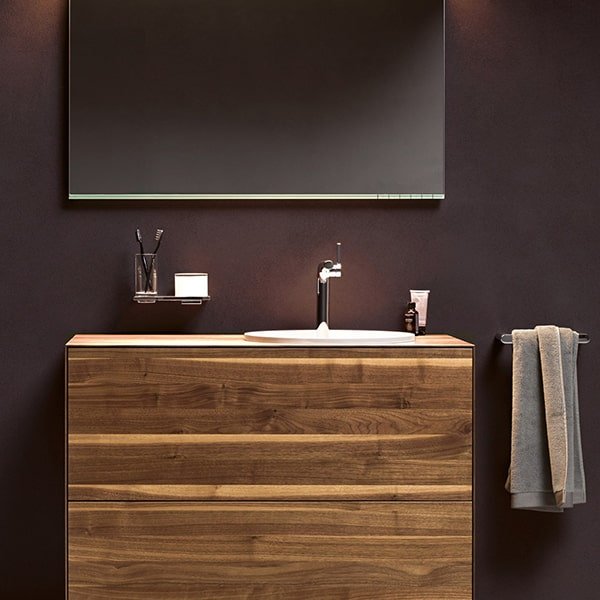
Minimalist Japanese furniture is characterized by straight lines, smooth surfaces, and subtle curves. Ornamentation is rare—beauty lies in precision, proportion, and detail. A well-crafted joinery or a soft fabric texture is enough to add refinement without clutter.
The Role of Neutral Colors
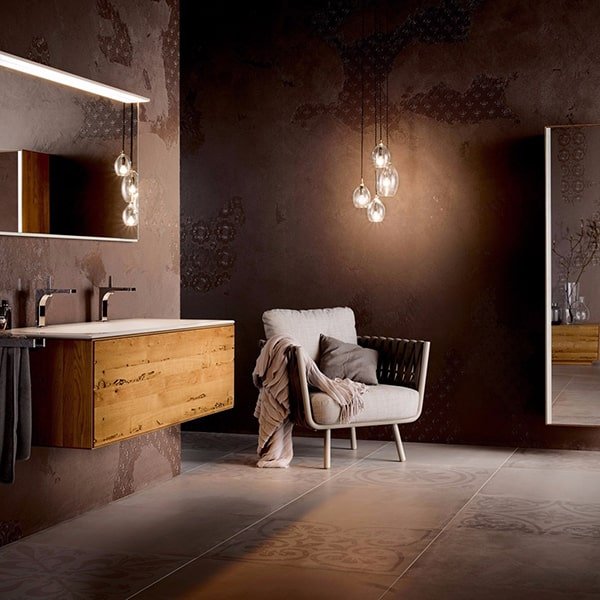
Muted tones—beige, white, grey, and soft wood finishes—define the color palette. These shades create calm, airy spaces that allow natural light to flourish. When accented with black frames or earthy hues, they add depth while keeping the overall look serene and cohesive.
Function Over Decoration
Every element in Japanese-inspired furniture has a purpose. A bench may double as storage, or a shoji screen may act as both divider and design feature. This functional minimalism eliminates excess while making each piece more meaningful in daily living.
3. Röshults Svenska Hantverk
Influence of Wabi-Sabi
The Japanese philosophy of wabi-sabi—finding beauty in imperfection and impermanence—deeply influences furniture design. Natural grains, weathered textures, and handcrafted irregularities are celebrated rather than hidden. This creates an authentic and soulful connection with the furniture.
Influence of Wabi-Sabi
The Japanese philosophy of wabi-sabi—finding beauty in imperfection and impermanence—deeply influences furniture design. Natural grains, weathered textures, and handcrafted irregularities are celebrated rather than hidden. This creates an authentic and soulful connection with the furniture.
The Harmony with Nature
Indoor furniture often complements outdoor views. Sliding doors, wooden decks, and low tables encourage interaction between home and garden. Plants, bonsai, or ikebana arrangements often sit alongside minimalist furniture, enhancing the feeling of living in tune with nature.
2. Alessi: the Italian Factory of Design
Blending Tradition with Modernity
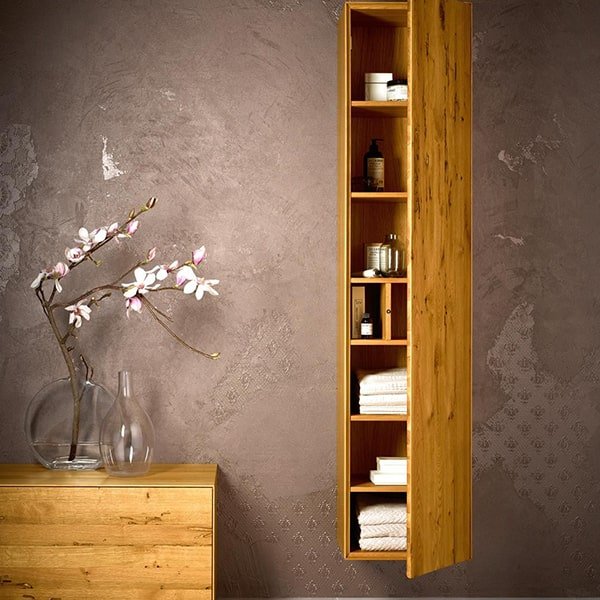
Modern Japanese-inspired furniture blends timeless design principles with contemporary needs. Sleek dining tables, modular shelving, and minimalist storage units draw on traditional aesthetics while meeting modern functionality. This balance makes the style versatile for both urban apartments and spacious homes.
Global Appeal of Japanese Minimalism
From Scandinavian homes to New York lofts, Japanese-inspired furniture resonates worldwide. Its universal appeal lies in its adaptability—minimalist yet warm, structured yet flexible. It offers a timeless design language that works across cultures and lifestyles.
Why Choose Japanese-Inspired Furniture?
Choosing this style is not simply a design preference—it is a lifestyle choice. It encourages intentional living, where every piece of furniture has meaning, and every space breathes with calm. In a world of fast-paced consumption, Japanese minimalism offers stillness, balance, and enduring elegance.

1. Leolux Design Furniture
Summary
Minimalist Japanese-inspired furniture is more than a décor trend—it is a philosophy of living. With its emphasis on natural materials, clean lines, functionality, and harmony with nature, it creates spaces that are peaceful, purposeful, and timeless. Whether you’re redesigning an entire home or simply adding a low table or wooden chair, embracing this style invites beauty, balance, and serenity into everyday life.