Blog
The big design: Wall likes pictures
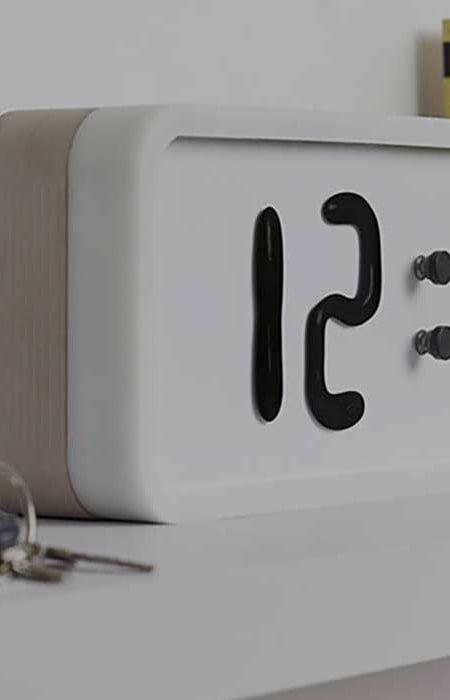
In a world filled with constant noise and digital stimulation, our homes have become sanctuaries where peace and balance are more important than ever. One of the simplest yet most powerful ways to create this sense of serenity is through the color palette you choose for your interiors. The “Color Palette of Calm” embraces soft, muted tones that soothe the senses, uplift the mood, and turn living spaces into restful retreats.
Why Colors Matter
Colors have a direct impact on how we feel. Vibrant reds and oranges can stimulate energy, while cooler tones such as blue, green, and grey encourage calmness and reflection. Choosing the right palette can influence not only the look of a room but also the way you experience it emotionally.
Soft Neutrals as the Base
At the heart of a calm color palette are neutral shades—creamy whites, soft greys, and warm beiges. These hues act as a canvas, creating openness and harmony. They don’t overwhelm the senses but instead allow furniture, textures, and accents to shine without distraction.
Shades of Blue for Serenity
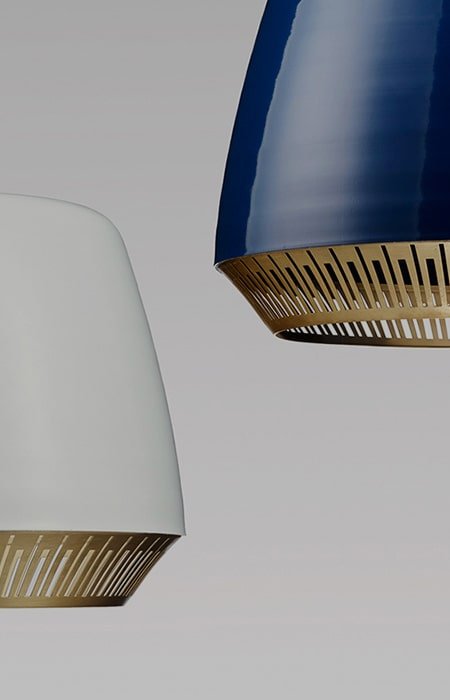
Blue has long been associated with tranquility and stability. Soft sky blues and muted navy tones mimic the calming influence of water and open skies. When paired with white or natural wood, blue introduces a refreshing yet peaceful vibe to interiors.
Greens That Connect with Nature
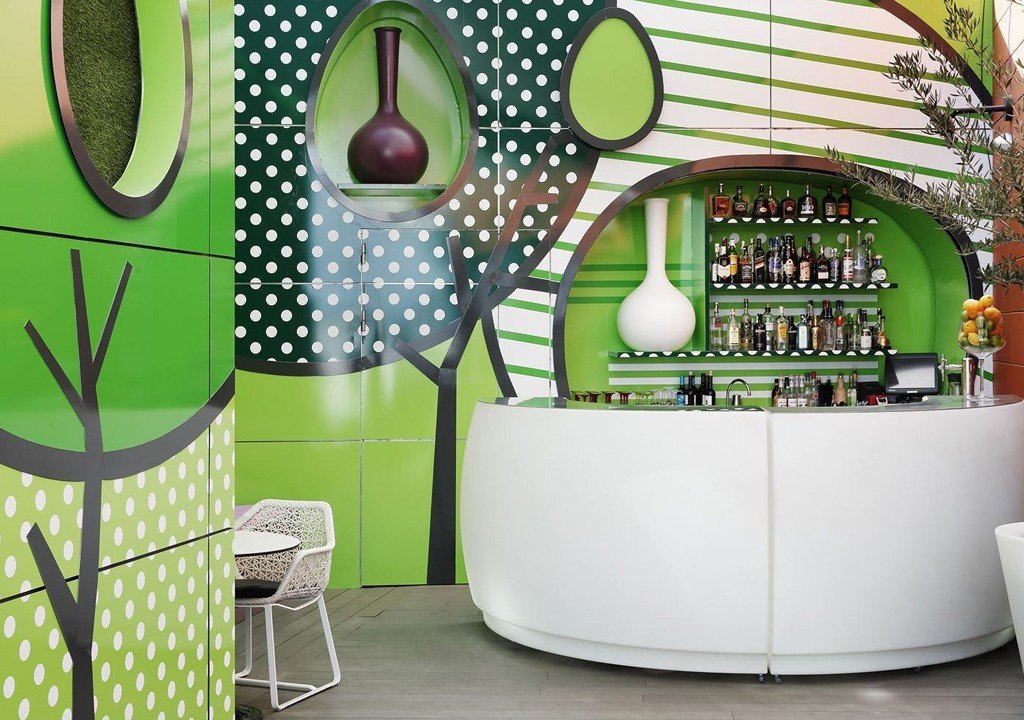
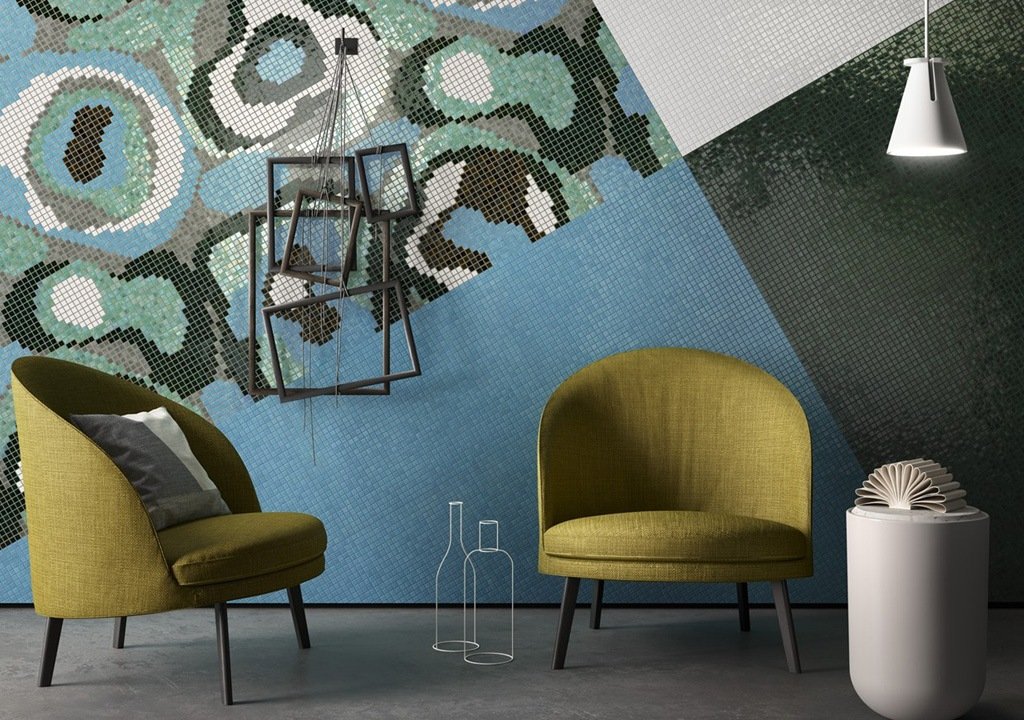
Green is another key player in the calm palette. Inspired by forests, fields, and plants, it evokes renewal and balance. Pale sage or olive tones on walls, textiles, or furniture bring nature indoors, creating spaces that feel restorative and grounded.
Warm Earthy Accents
While calm palettes lean towards cooler tones, earthy hues such as terracotta, taupe, and sandy browns add warmth. Used sparingly in décor—through cushions, rugs, or ceramics—they balance out cooler shades and ensure the space doesn’t feel cold or sterile.
Layering for Depth
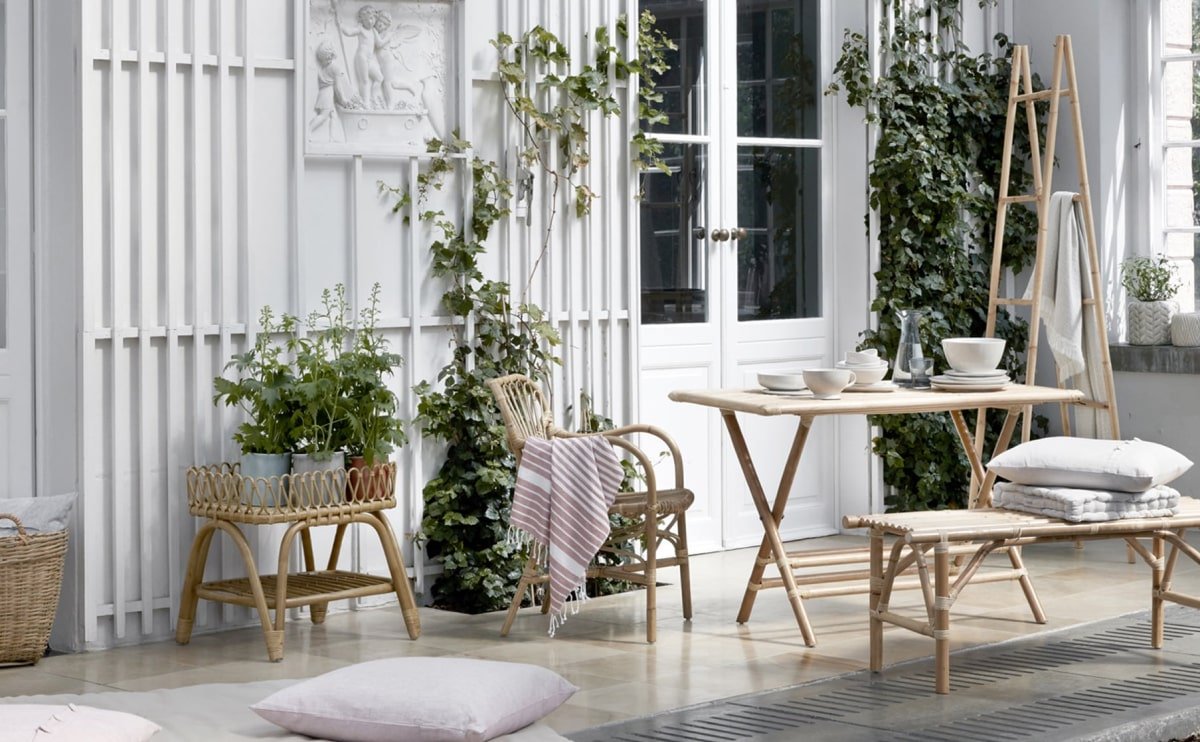
A palette of calm doesn’t mean monotone. Layering different shades of the same family—such as light grey, charcoal, and off-white—adds visual depth without disrupting tranquility. Textured finishes like linen curtains, wool throws, or rattan furniture further enhance this layered softness.
Lighting and Its Role
The effect of color is heightened by lighting. Warm, soft light complements calm palettes, while harsh white bulbs can undermine them. Natural light works best, allowing muted tones to shift beautifully throughout the day, keeping the atmosphere alive yet serene.
Timeless Versatility
Unlike bold color schemes that can quickly feel dated, calm palettes are timeless. They work across styles—from Scandinavian to Japanese-inspired interiors—ensuring your space stays relevant and elegant for years to come.
Summary
The Color Palette of Calm is more than just a design choice—it is a lifestyle statement. By combining soft neutrals, serene blues, natural greens, and warm earthy accents, you create a home that nurtures tranquility, clarity, and well-being. In a fast-moving world, such spaces offer the balance we all seek—welcoming, peaceful, and timelessly stylish.